Best Office Plants: Top 5 Green Additions to Boost Workspace Productivity and Focus

Adding real greenery to your workspace is about more than just aesthetics. As a plant scientist, I love looking at the peer-reviewed research behind indoor environments—and the data is clear. Incorporating living plants into a bare office can increase objective productivity by up to 15%, restore concentration, and lower employee stress. Glancing at beautiful foliage triggers an effortless type of attention that acts as a cognitive reset button during a demanding workday.
If you are looking to soften a sterile corporate layout and bring a touch of the natural world into your Bay Area workplace, selecting the right species is key. Different plants have unique environmental adaptations that dictate how well they will thrive under standard office fluorescent lights or near drafty windows.
Whether you want to build a lush office jungle or simply start with a few resilient desk companions, here are the top 5 plants to add to your office.
1. Golden Pothos (Epipremnum aureum)
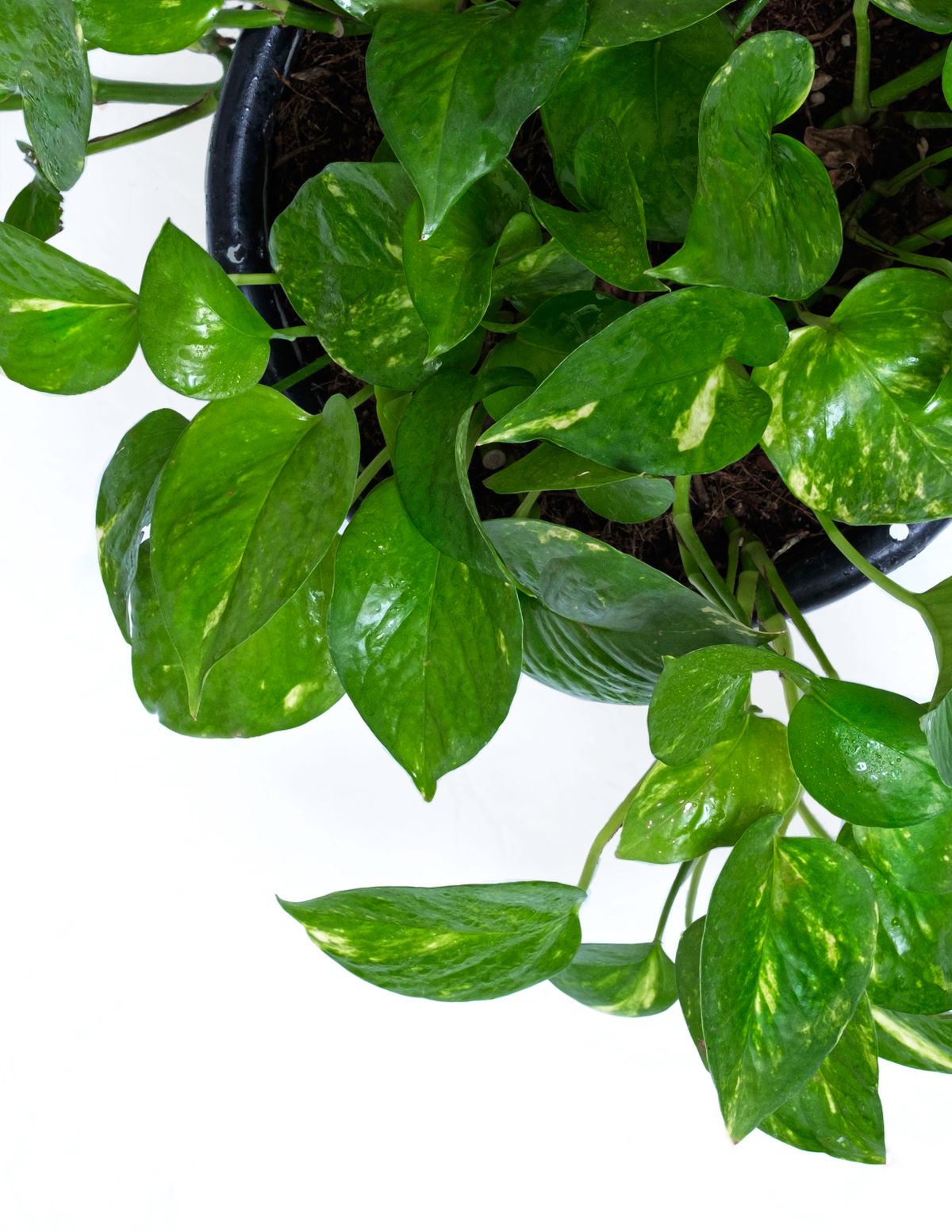
Resilient, fast-growing, and beautifully vining, the Golden Pothos is an absolute staple for any office space. If you position one of these on a shelf, high ledge, or communal table, you will soon have cascading vines of heart-shaped greenery spilling elegantly into your workspace. Their trailing stems can comfortably grow up to 8 feet (2.4 meters) or more indoors.
Beyond its stunning visual impact, the Golden Pothos is a functional asset. Studies show it is incredibly efficient at phytoremediation—meaning it naturally filters out common indoor air pollutants and volatile organic compounds (VOCs) often emitted by synthetic office furniture and electronics.
This plant is wonderfully forgiving. It thrives across a broad spectrum of light conditions, tolerating low-light office corners while handling brighter indirect light with ease.
2. Chinese Evergreen (Aglaonema spp.)
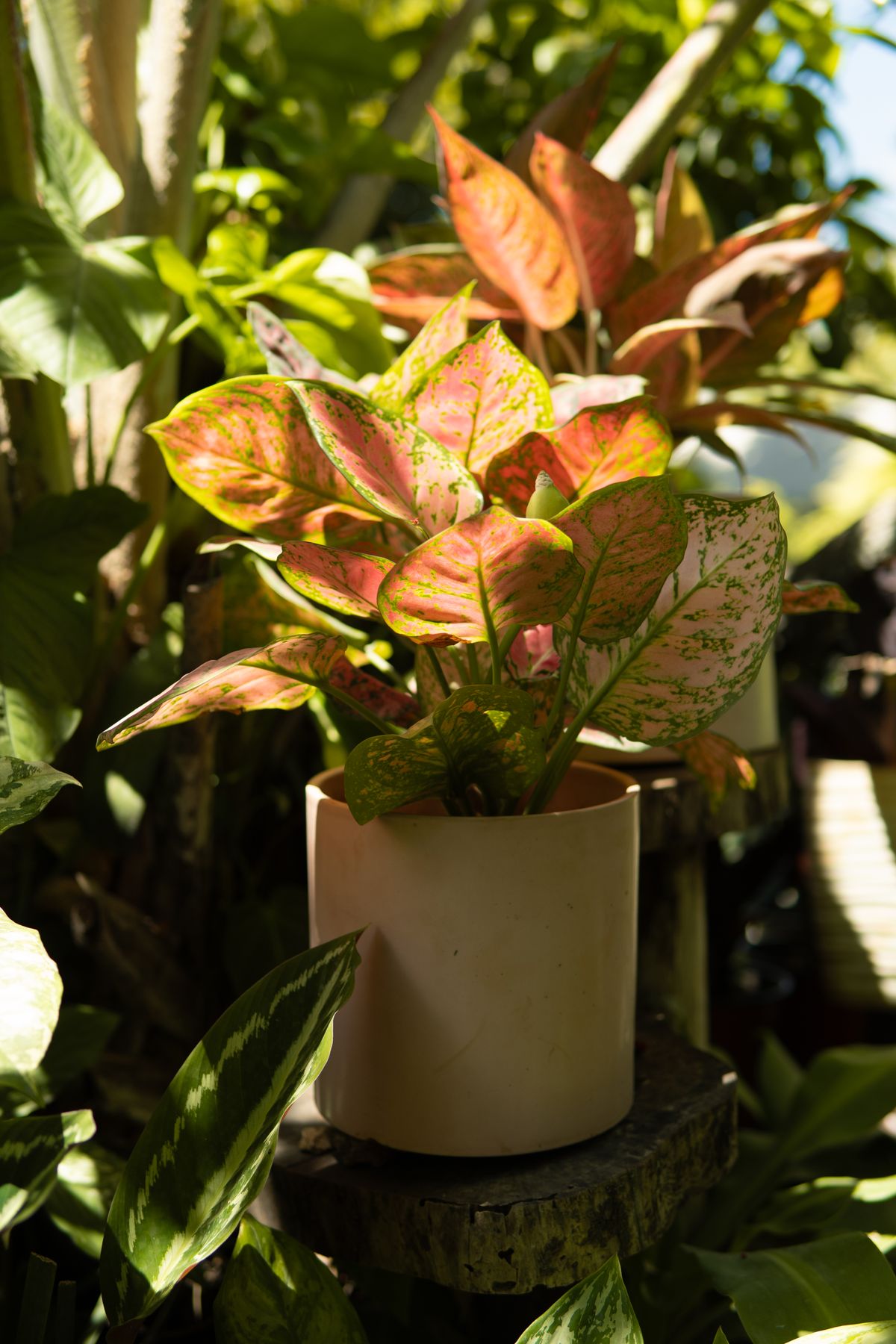
If you want to move away from standard all-green foliage, the Chinese Evergreen is a vibrant, visually striking choice. Known for its variegated patterns featuring deep greens, silver-greys, cream, and even soft pinks, it adds immediate character to a space. Because it is a slower-growing plant, it retains its distinct, neat shape for a long time without requiring constant pruning.
Aglaonema species are highly adapted understory plants native to tropical and subtropical regions of Asia. Because they evolved beneath dense forest canopies, their leaf biology is incredibly efficient at maximizing photosynthesis even in dim, indirect environments—making them perfectly suited for typical office lighting.
Remarkably hardy. It tolerates the dry, air-conditioned air of modern offices and won't throw a tantrum if a watering session is delayed.
3. Monstera (Monstera deliciosa)
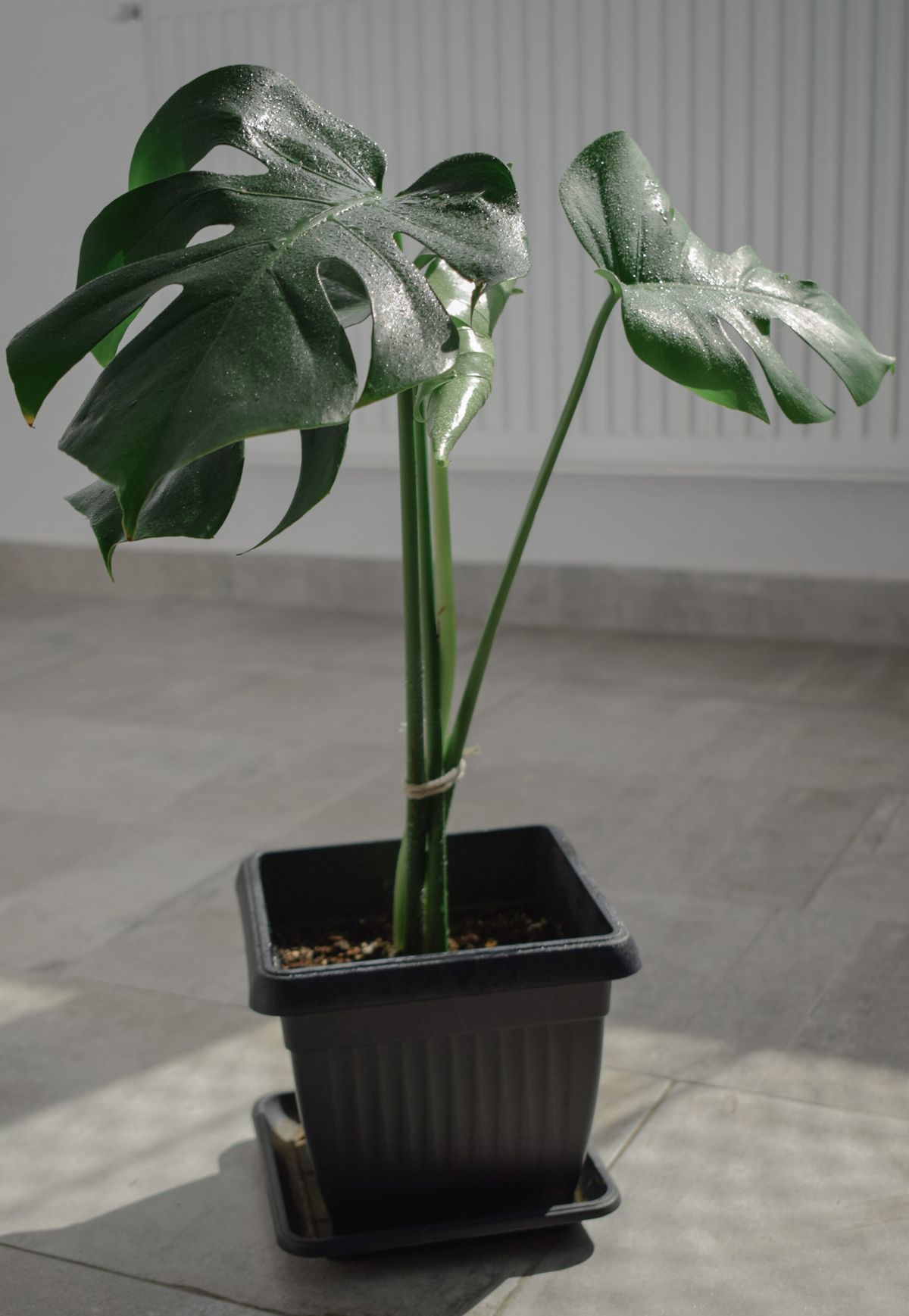
Commonly referred to as the "Swiss Cheese Plant," the Monstera deliciosa is famous for the dramatic, architectural holes and splits in its massive leaves. Because of its scale, a mature Monstera serves as an incredible natural statement piece that can instantly elevate the look of a lobby, open-concept floor plan, or executive suite.
The distinctive holes in a Monstera's leaves are called fenestrations. Originally native to Mexican and Panamanian rainforests, the plant evolved these splits as a brilliant adaptation to its environment. The fenestrations allow high-velocity jungle winds and heavy downpours to pass through the leaves without tearing them, while simultaneously letting precious sunlight filter down to the plant's lower leaves.
Monsteras appreciate brighter, indirect light to maintain their iconic leaf splits. Give them a spot near a window or well-lit common area, and they will reward you with steady, beautiful growth.
4. Prayer Plant (Maranta leuconeura)
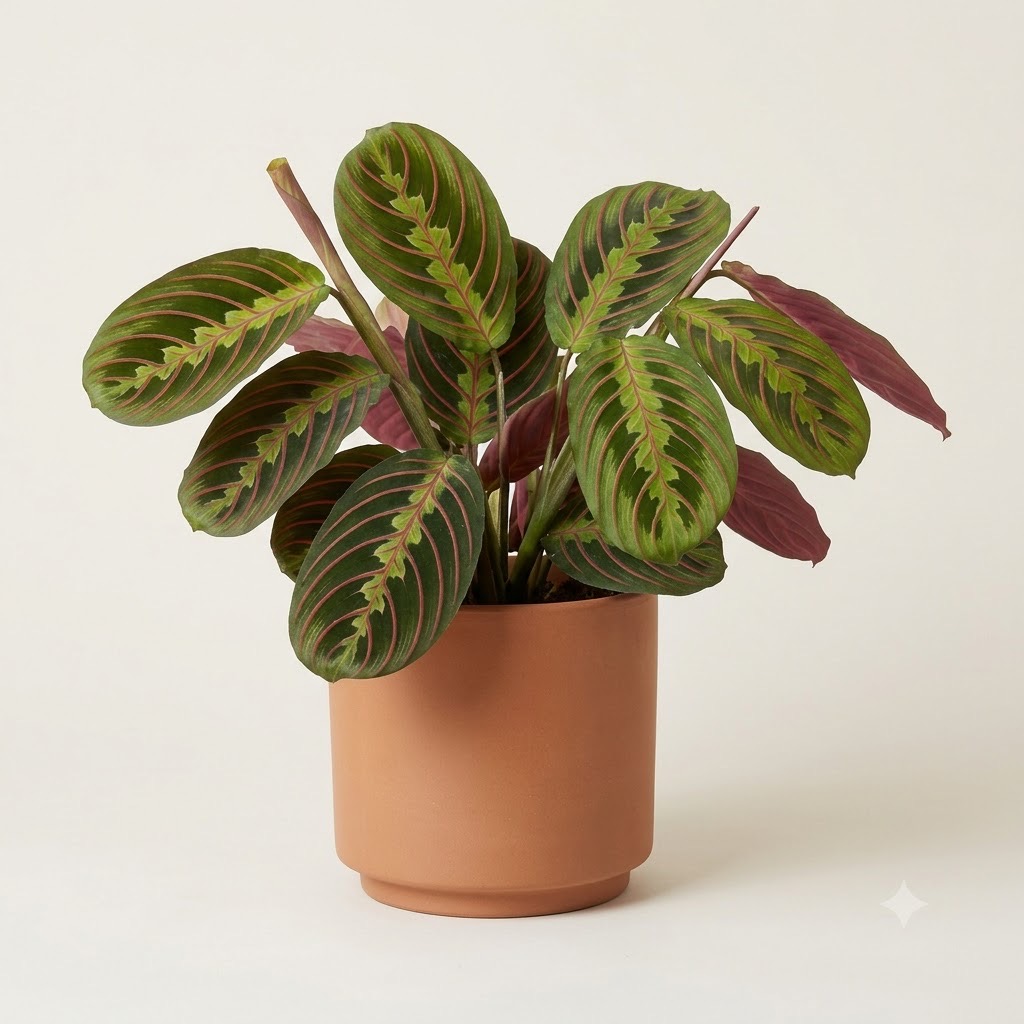
Boasting intricate, feather-like patterns and deep purple undersides, the Prayer Plant brings immediate personality to smaller office spaces. This is an interactive plant that truly feels alive, making it a wonderful conversation starter for teams and visitors alike.
The Prayer Plant gets its common name from a fascinating botanical phenomenon called nyctinasty. Driven by changes in light and their internal circadian rhythms, the leaves dynamically shift positions—extending horizontally during the day to catch light rays, and folding vertically upward at night like hands coming together in prayer. Furthermore, for offices that welcome four-legged coworkers, Maranta species are entirely non-toxic and pet-safe.
These plants thrive in consistently moist, well-draining soil and appreciate moderate to bright indirect light. They love a bit of humidity, making them ideal candidates for a professional care routine.
5. Majesty Palm (Ravenea rivularis)
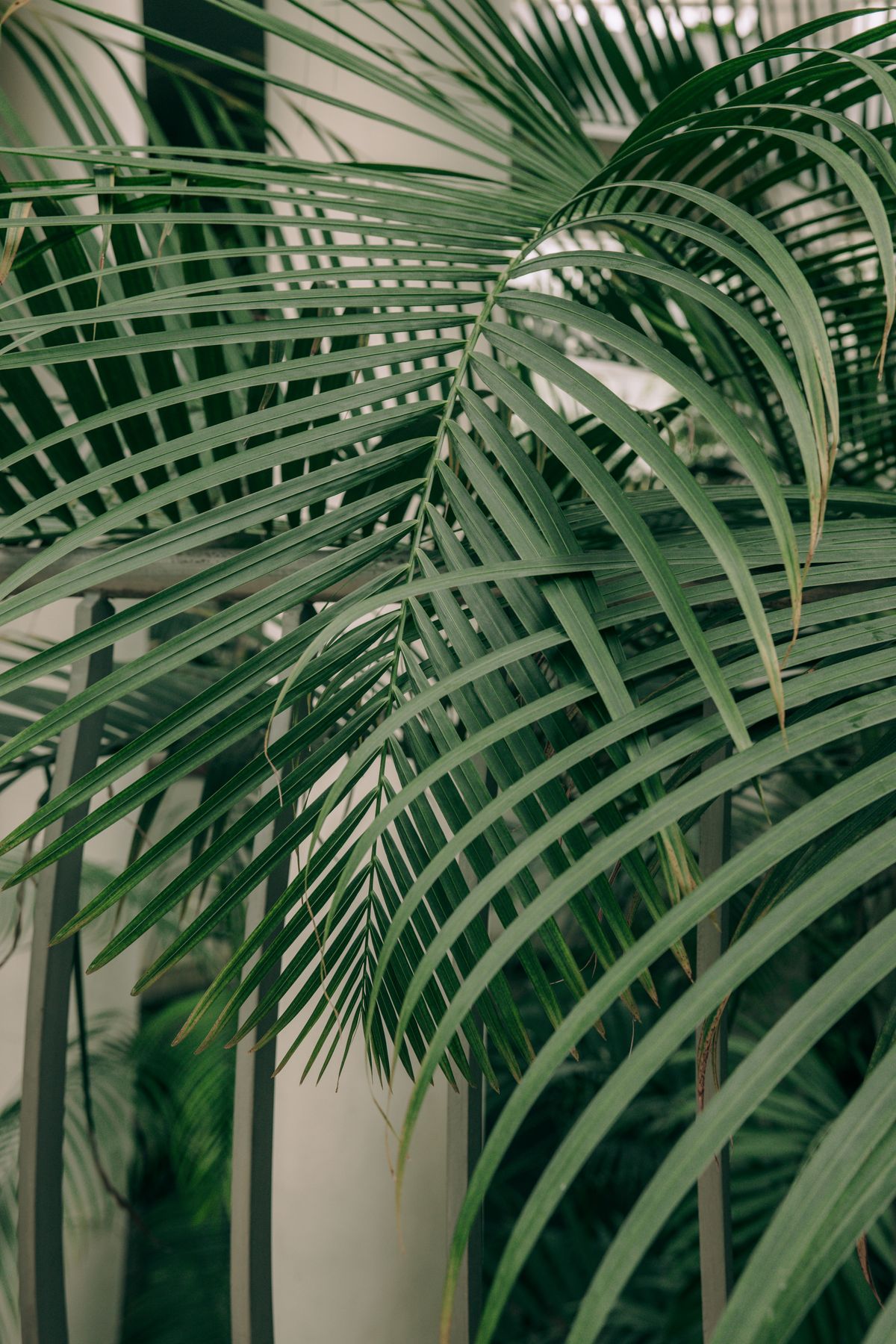
If you want to introduce a sense of grandeur and a classic tropical aesthetic, the Majesty Palm delivers exactly what its name suggests. Featuring large, feather-like fronds that arch gracefully outward, it serves as a spectacular floor plant capable of scaling up bare walls and softening sharp, sterile office angles.
Native to the riverbanks of Madagascar, Ravenea rivularis is accustomed to abundant light and moisture. Its large surface area makes it an exceptional natural humidifier, releasing moisture back into dry, climate-controlled office air via transpiration, which can help soothe dry eyes and respiratory passages.
Because of its riverbank origins, the Majesty Palm requires bright, indirect light and regular watering to look its best. It is happiest when positioned directly near a large window where it can soak up plenty of daytime sun.
Need Help Greenery-ing Your Workspace?
Every office layout has its own unique microclimate, dictated by window orientation, HVAC air currents, and architectural lighting. Selecting the right plants is just the first step—keeping them thriving, clean, and beautifully pruned requires consistent care.
At Plant Mom, PhD, we combine hands-on horticultural skill with elite scientific expertise to keep your workplace greenery looking flawless. Whether you are looking for a complete Sourcing & Installation of hand-selected plants from regional growers, an ongoing Maintenance Program backed by our Plant Doctor Warranty, or a Triage & Stabilization rescue for your existing office plants, we serve workspaces right here across the Bay Area Peninsula.